Gut Health Is More Than Food: How Stress, Rhythm, and Movement Affect Digestion

When people think about gut health, food is usually the first thing that comes to mind.
What to eat.
What to avoid.
What to cut out next.
But digestion is influenced by far more than what’s on your plate. The gut is deeply connected to the nervous system, daily rhythm, stress levels, and even how you move through your day.
Supporting digestion means supporting the whole system — not just changing your diet.
The Gut Is Part of a Bigger System
Your digestive system doesn’t work in isolation. It responds constantly to signals from the brain, nervous system, hormones, and environment.
This means things like:
Chronic stress
Irregular schedules
Poor sleep
Overexertion or under-movement
can all affect digestion — even if your food choices are technically “good.”
When the body is under stress, digestion often becomes less efficient. That’s not a flaw — it’s a protective response.
Why Stress Matters for Digestion
Digestion thrives in a calm, regulated state.
When the nervous system is in a constant state of urgency or pressure, the body prioritizes survival over digestion. Blood flow shifts. Motility can slow or speed up. Sensitivities may increase.
This is why gut symptoms often show up during periods of:
High stress
Emotional overload
Burnout
Big life transitions
Supporting digestion sometimes starts with creating more safety in the body — not with eliminating more foods.
Rhythm and Timing Play a Role
The gut responds to rhythm.
Regular meal times, consistent sleep schedules, and exposure to natural light all help regulate digestion. When rhythms are disrupted, digestion often follows.
Eating on the go, late at night, or in a rushed state can make digestion harder — regardless of food quality.
Supporting gut health includes:
Allowing time to eat
Eating in a calmer state
Respecting daily routines that support the body’s natural cycles
Small shifts in rhythm can have a big impact over time.
Movement Supports the Gut, Too
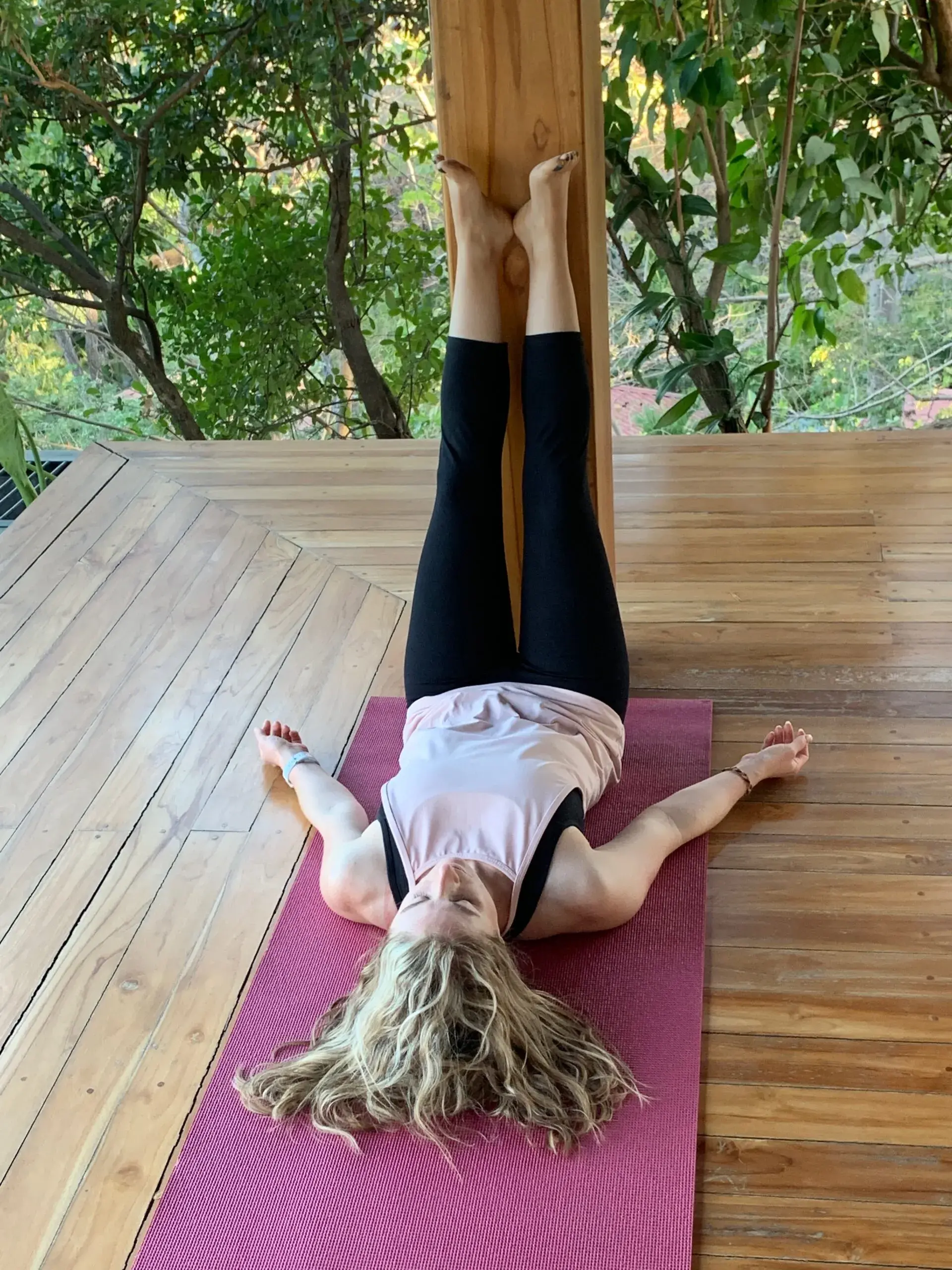
Movement isn’t just for strength or fitness — it plays an important role in digestion.
Gentle, supportive movement can:
Improve circulation to the digestive organs
Support motility
Reduce stress stored in the body
Help regulate the nervous system
This doesn’t mean intense workouts are required. In fact, too much intensity without enough recovery can sometimes worsen gut symptoms.
Movement that supports digestion is:
Appropriate for your energy level
Consistent, not extreme
Chosen to support the body, not punish it
Gut Symptoms Are Feedback, Not Failure
Bloating, discomfort, irregular digestion, or sensitivity to foods aren’t signs that your body is broken.
They’re feedback.
Often, they’re pointing to a need for more support — whether that’s around stress, rhythm, nourishment, or recovery.
When you stop fighting symptoms and start listening to what they’re communicating, digestion often becomes easier and more stable.
Supporting the Gut From the Inside Out
Gut health isn’t about perfection.
It’s about consistency.
When digestion is supported through:
Nourishment
Nervous system regulation
Rhythm and routine
Appropriate movement
The gut often responds with more resilience over time.
This whole-body approach creates a foundation where digestion doesn’t have to work so hard just to keep up.
Supporting the gut means supporting the system it lives in.
If you’re interested in a gentle, sustainable way to support digestion — without extreme protocols or constant restriction — this approach is explored more deeply inside Gut Harmony, where the focus is on understanding feedback and responding with support.